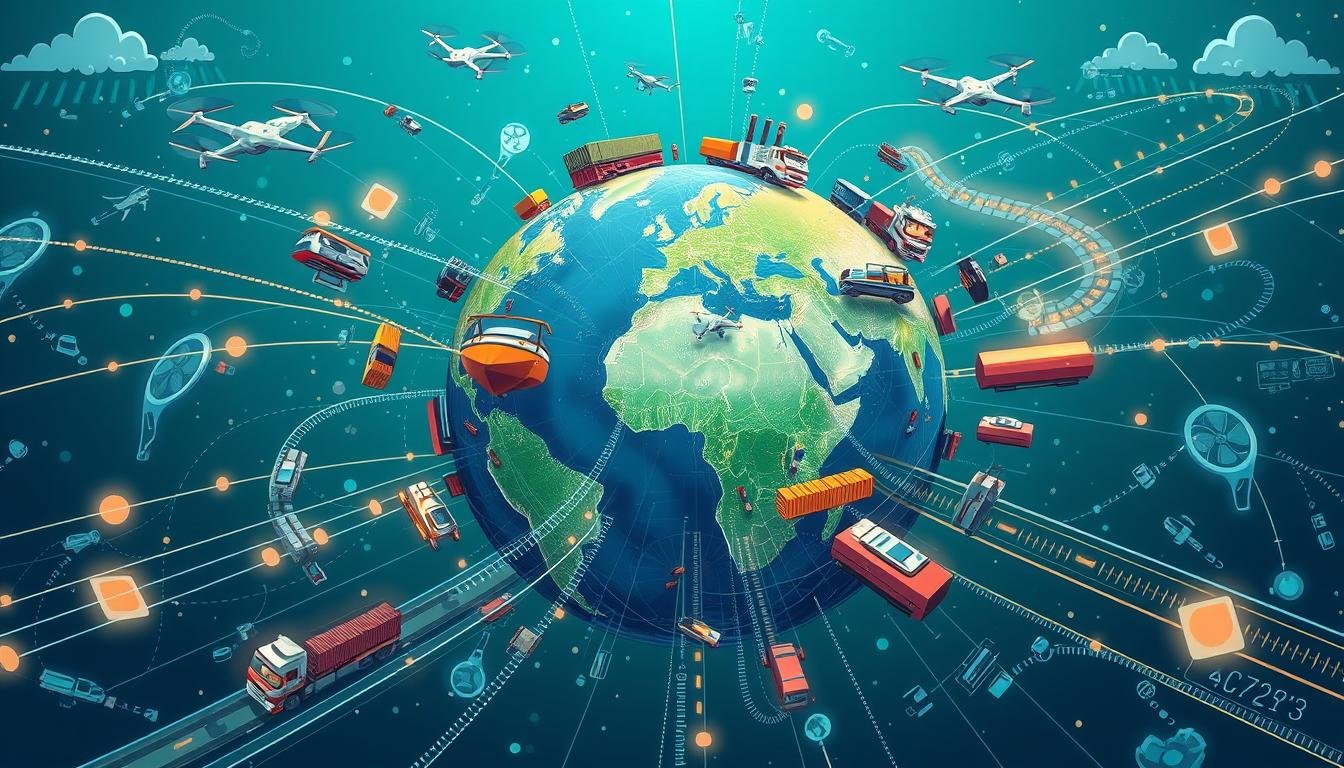
How Life Works Is Evolving- What's Leading It In 2026/27
Best 10 Trends In Urban Living Redefining Cities Around The World Through 2026/27Cities have always been mankind's most complex and profound invention. They unite ideas, people potentialities, issues, and challenges in ways that only one other form of human settlement could match. The urban landscape of 2026/27 is being changed by a range of forces that are both stimulating and challenging: Climate pressures requiring fundamental changes to the ways in which cities are constructed as well as run, the advent of technology that offers different ways of tackling urban complexity, shifting patterns of work and mobility altering how people utilize city spaces, and an ever-growing demand for cities that work better for the people who actually live in them instead of only those who pass and investing in the infrastructure. Here are the ten urban living patterns that will change cities around the world in 2026/27.
1. The fifteen-minute City Concept Gains Practical Traction
The notion that life in cities is designed to ensure residents have everything they require every day in terms of education, work healthcare, shopping and green space, as also as social infrastructure, can be reached within 15 minutes of walking or bicycle ride away from home has moved from urban planning theory into concrete policy in a broader city. Paris is the most cited city, but various versions of this concept are being implemented across Europe, Latin America, and even in parts of Asia. Some have expressed concerns over the potential of such models to restrict movement but the concept behind them, developing cities around human scale and everyday life, instead of car dependency, is gaining genuine mainstream traction.
2. Housing Affordability drives Bold Policy Experiments
The crisis in housing affordability that is affecting large cities around the world is now at a point of such severity that demands policy solutions that are that are more radical than those seen during the past decade. Zoning reforms, density bonuses and the mandatory requirement for affordable housing and taxation on land value, social housing construction at scale as well as restrictions on lease-to-own platforms are implemented in a variety of ways as cities seek out strategies that will meaningfully shift the dial. One solution isn't efficacious in every way, and the economics of reforms to housing remains debated. But the recognition that inaction is no an option anymore is producing a degree of policy experiments that, over time, is beginning to yield some lessons.
3. Green Infrastructure Becomes Core Urban Design
Urban greening has evolved from a mere cosmetic idea to an integral part of how cities plan for climate resilience urban health, as well as liveability. Expanding the canopy of trees, green walls and roofs, urban pockets, wetlands, and daylighting of waterways that are buried are all being incorporated into urban design on an amount that shows the multiple functions green infrastructure can serve. It lowers the urban heat island effect, regulates stormwater and improves air quality. increases biodiversity and creates measurable benefits for mental and physical wellbeing of urban populations. Cities that invested in green infrastructure more than a decade ago are already demonstrating outcomes which are being adopted more widely.
4. Urban Mobility Changes to Active And Shared Transport
The dominance enjoyed by the private car in urban space is being challenged greater than at any previous time. Cycling infrastructure is rapidly growing within cities throughout Europe and is growing in other regions. E-bikes or e-scooters are significant components and a major source of mobility for a number of cities. Public transport investments are increasing due to both climate commitments and the recognition that car-dependent cities cannot function efficiently in the amount of population growth demands. The process is not uniform and sometimes tense, but the direction is apparent: cities are gradually returning space to private vehicles and redistributing it toward people with active travel and shared mobility options.
5. Mixed-Use Development is a replacement for Single-Use Zoning.
The legacy of twentieth century urban planning, that rigidly separated residential industrial, commercial, and residential land use, is being reversed in city after city. Mixed-use developments, which combine homes, workplaces in addition to retail, hospitality, as well as community facilities, within the identical neighbourhoods and buildings is creating more lively, walkable and resilient urban areas. The change has been accelerated because of the demise of commercial districts with one-use and a monoculture of retail due to changes in shopping and working patterns. The former business districts are being reinvented as mixed neighborhoods, and new development is increasingly required to include a variety of purposes from the beginning.
6. Smart City Technology Matures Into Practical Applications
Smart cities have spent times generating more hype than result, with ambitious sensor networks and data platforms often struggling to deliver tangible improvements for urban living. The advancement of technology and the more pragmatic approach to deployment has resulted in more effective and efficient applications. Intelligent traffic management reduces emission and congestion. Also, predictive maintenance systems that identify infrastructure issues prior to failures, real-time air quality monitoring that informs health care responses and platforms for digital that help make city services more accessible have all been proven to be beneficial in cities that have embraced the systems in a thoughtful manner.
7. Urban Food Production Scales Up
Food production in cities has moved from rooftop hobby into a significant part of the urban food plan in some of the most forward-thinking municipalities. Vertical farms that use controlled-environment agriculture produce lush greens and herbs in converted warehouses and constructed facilities specifically for the purpose, using only a fraction of the land and water requirements by traditional agriculture. Community-based gardens and school gardens as well as urban orchards fulfill academic and social purposes as well as food production. The proportion of a city's consumption of food that could be fulfilled by urban food production isn't huge, but the direction of travel towards short supply chains, improved food security, and more connections between urbanites and food systems is evident.
8. Inclusive Design Steps Up The Urban Agenda
The principle that cities ought to be designed so that they can work for their inhabitants, including disabled people, children, and those who have limited financial resources, is gaining more serious attention in urban planning circles. Frameworks for cities that are age-friendly that incorporate universal design principles for transport and public spaces as well as co-design processes that include communities that are marginalized in forming their neighborhoods, as well as standards for affordability that stop the relocation of residents living in improving areas are all being considered more seriously. The recognition that any city which works only for the physically fit, young, and the affluent is failing many of its population is creating more inclusive solutions to urban design and governance.
9. The Night-Time Economy Gets Smarter Management
Cities are paying more care about what happens after darkness. The night-time economy that includes hospitality, entertainment facilities, cultural activities, and the people who manage to ensure that cities are operating throughout the night and during the day, has a significant economic as well as cultural significance that's traditionally been poorly managed. Dedicated night mayors or night-time economy commissioners who are currently based in cities from Amsterdam to Melbourne promote the interests of businesses operating during nighttime and residents alike, as well as mediating tensions and creating policy to support a flourishing nocturnal city without making life intolerable even for those who require sleep. The framework is proving exportable and is becoming more influential.
10. A sense of belonging And Belonging Drive Urban Renewal
Below the physical and technical aspects of urbanization lies an issue that is fundamentally social. A large number of urban residents, especially in cities with rapid change suffer from a deep disconnect with the surrounding communities. A growing amount of urban practices is focusing on establishing the social infrastructure, the community centers and libraries, market places, communal spaces, and the deliberate planning that helps create conditions for genuine human connection in urban spaces. The most successful urban renewal projects of the current era include those that blend improved physical infrastructure with a continuous involvement in building community, realizing that a neighborhood is most importantly defined by its relationships along with its buildings.
Cities will always be an important place in which the most pressing challenges of humanity are confronted and the most significant opportunities are pursued. The trends above do not indicate a utopia. In fact, many of the changes they reflect are not fully understood, debated and not evenly distributed across diverse urban settings. But they point toward cities which are, in a rising amount of cities getting more liveable eco-friendly, more sustainable, as well as more adaptable to the needs of the people who reside there. For further detail, explore the best For further insight, head to a few of these respected katsauslehti.fi/ and get reliable reporting.
Ten Sports And Fitness Changes Making Waves In 2026/27
The way people approach sport workouts, physical performance is changing faster than at almost any previous point. Technology is changing the way the elite athletes train, compete, as well as the way that ordinary people perceive and manage their own fitness. Cultural attitudes toward physical activity have changed with a focus on broadening participation, removing traditional barriers and creating new kinds of sports and fitness that were not available in the past. Whatever your level of fitness, whether you're a dedicated athlete, a casual gym-goer or a person just beginning thinking about their physical health The landscape will look drastically different by 2026/27. Below are the ten most popular sports and fitness trends that are dominating.
1. Wearable Technology Delivers Increasingly Sophisticated Information
The new generation of wearable fitness technology coming in 2026/27 goes well beyond measuring steps and monitoring heart rate. Continuous glucose monitoring, blood oxygen saturation, heart rate variation, skin temperature, water status, and sleep architecture are all being tracked by consumer devices with the same level of precision that was previously only available in elite or clinical settings. The burden has been shifted from collecting data to interpreting it meaningfully, and the platforms built on wearables have been investing heavily in AI-driven analysis that translates raw physiological data into actionable information for everyday users instead of just numbers that require specialist interpretation.
2. Training and recovery becomes equally important. Training
The understanding that adaptation to training happens during recovery rather than during the training session as a whole has elevated recovery as a last resort to become a major component of fitness culture. Optimization of sleep, active recuperation methods, cold water therapy as well as saunas for heat exposure as well as compression technology, massage guns, and nutrition techniques designed to promote recovery are all commonplace issues and not just specialised interests. Elite sport has long realised this, but the tools that are available, the knowledge, and the recognition of the importance of recovery have gained acceptance among recreational athletes and general fitness enthusiasts. The shift reflects a broader trend away form the more-is-more approach to training. It is an improved calibration of strain and recovery.
3. Functional Fitness Displaces Purely Aesthetic Objectives
The most important reason for training has traditionally been aesthetics, creating a body that looks a particular way. A shift in the culture is taking place towards functional fitness, training that is focused on what the body can do, not how it looks. For everyday living, strength, flexibility, balance, cardiovascular resilience and the capacity to maintain a healthy physical condition into old age are all being embraced as primary motivations for fitness. This is indicative of a growing populace that is thinking more deeply about longevity and the length of their lives, as well as a cultural reassessment of what physical fitness is really about. Training methodologies built around fitness quality, compound strength, and metabolic conditioning are the principal recipients.
4. Fitness and mental health are More and more closely linked
The evidence supporting regular physical activity with improved mental health has gotten enough solid that exercise is being discussed in medical settings as a real therapeutic intervention for depression stress, and anxiety rather than merely as a lifestyle guideline. This is impacting how fitness is advertised and also how people feel about their own workout routines. The concept of movement as maintaining mental health just as being a physical fitness maintenance strategy is making its way into mainstream media and changing the relationships people have towards exercise from a necessity tied to appearance to a method that promotes overall wellbeing. Fitness prescriptions by health professionals is becoming more widespread due to.
5. Combat Sports Reach New Mainstream Audiences
Mixed martial arts, boxing kickboxing, as well as newer models like bare knuckle fighting are experiencing significant growth in audiences due to social media, streaming platforms and the increasing popularity of crossover events that bring public attention to popular combat sports. Beyond just watching, combat sports take-up is rising dramatically as boxing fitness, Brazilian Jiu-Jitsu Muay Thai and MMA training drawing large crowds of people who have no goals to compete but find the mix of developing skills physical fitness, psychological challenges appealing in ways conventional workouts do not. The culture and social network that surrounds the gyms that offer combat sports has proved an effective retention tool in a fitness industry that is struggling with dropout.
6. Personalised Nutrition and Supplements Go Mainstream
The application of personalised approaches to sports nutrition specific to individual physiology and specific demands for training, recovery and health goals more than standard population guidelines, has made the transition from elite sports into mainstream fitness culture. Food-based recommendations based on DNA, gut microbiome analysis, continuous glucose monitoring to assess individual metabolic responses to food, and AI-driven tools for dietary planning have all become accessible to enthusiasts and recreational enthusiasts. Supplements are evolving in tandem, with more sophisticated and evidence-based products replacing more speculative part of a market that was historically susceptible to overclaiming.
7. Outdoor And Adventure Fitness Experiences Surge
Gym-based fitness is increasingly under threat from outdoor and adventure fitness activities that provide physically challenging activities, coupled with environmental interaction, fun, and the social aspect in ways indoor training has a difficult time replicating. Trail running, open water aquatics, outdoor rock climbing gravel cycling, and organised race events are growing in importance. They are more than just a the variety. Research into the specific physical and psychological advantages of exercising in natural environments is developing convincing evidence that physical activity outdoors can lead to wellbeing outcomes unlike indoor activities. entirely compare to. People living in urban areas with limited natural access are driving demand for organised activities that bring outdoor challenges to the doorstep.
8. Esports And Physical Gaming Blur Traditional Boundaries
The connection between gaming on the internet the physical condition is much more complicated than the stereotype of a sedentary lifestyle suggests. Esports athletes practice with organized physical conditioning programs created to enhance the reaction speed, focus and stress-management their competition demands, and the fitness required for high-level competition is being viewed more seriously. In the meantime, physically active gaming forms, mixed reality fitness experiences, and gaming platforms are attracting people into movement who have not previously played with traditional fitness. The boundaries between physical exercise as well as mental sports and online entertainment are becoming blurred in ways that are growing the total number of people who are engaged in structured fitness and cognitive exercises.
9. Women's Sport Continues To Gain Ground ascent
The women's sport is experiencing a steady growing attendance, broadcast audiences, sponsorships and popularity in the media, which indicates real structural change rather than a short-term spike. Cricket, football, rugby basketball, athletics, and football are all seeing women's sporting events enjoy the kind commercial interest and attention from the mainstream that was previously concentrated all on male sport. The pool of girls involved in organized sports is greater than at any other time in the most developed markets and this will impact the potential pool of talent in terms of participation rates, participation rates, and acceptance of women as serious athletes. The trends are positive even as huge gaps in investment, media coverage, and wages in comparison to comparable male competitions remain.
10. Health and longevity drive a New Fitness Philosophy
One of the most significant changes of the fitness culture in 2026/27, is the shifting of fitness training to be based on lifespan and healthspan rather than performance or appearance objectives. Research on the connection between certain training methods, especially strength and cardiovascular fitness, and longer-term benefits to health including cognitive function, metabolic health bones, bone density, as well as mortality risk are affecting how individuals think about the things they train for. Zone 2 cardiovascular training which improves the aerobic capacity for metabolic health, and longevity, and the progressive training for resistance to keep muscle mass and strength through and through ageing, are attracting broad-based interest from individuals who are contemplating what they'd like their body will look like in the years to come at sixty at seventy, a hundred, and even beyond.
The 2026/27 years of fitness and sports reflect a culture that is actively pursuing physical health in greater sophistication, with more personal and more holistic ways than at previous points. The above trends are linked by an underlying theme: a shift away of narrow, focused on appearance, short-term thinking towards broad and sustainable understanding of what it means to be physically fit. Anyone who wants to engage in this transformation, the resources, information and community available to support them have never been more accessible. To find more context, head to the most trusted sonderbriefing.de/ for more info.